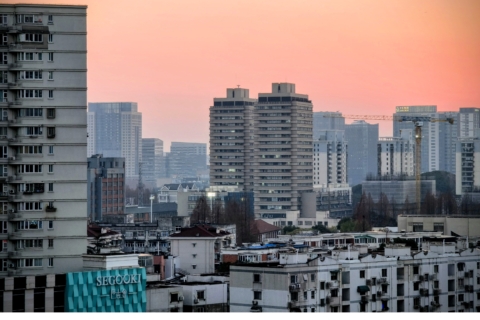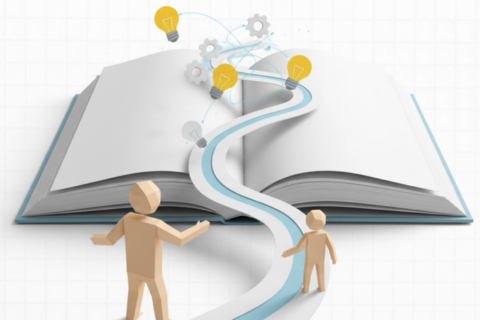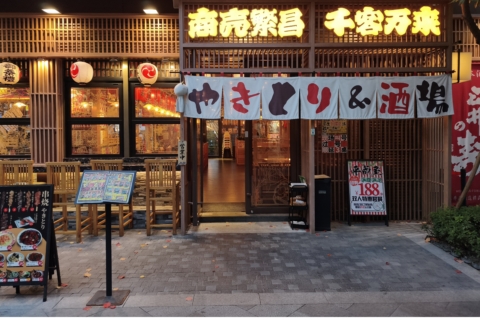
Using advanced AI technology, these photos were transformed into artworks reminiscent of Vincent van Gogh’s post-impressionist style. The process involved enhancing textures, enriching colors, and adding dynamic brushstrokes to create a whimsical, expressive quality. Here are some highlights:
Urban Street Scene: Transformed into a vibrant, energetic composition with bold colors and dynamic patterns.


Seaside Joy: Captured in swirling, vivid colors that emphasize freedom and happiness.


Traditional Attire: Enhanced with rich textures, creating a dreamy, timeless piece celebrating cultural heritage.


Pagoda in the Mountains: Turned into a mystical landscape with ethereal mists and vibrant hues. Nightlife Vibes: Amplified with warm, glowing colors and expressive brushstrokes, evoking a fairy tale ambiance.


Cityscape at Sunset: A breathtaking canvas of swirling colors and dynamic lines capturing urban life. Busy Highway: Transformed into a vibrant scene of motion and light interplay.


What does KJ say?
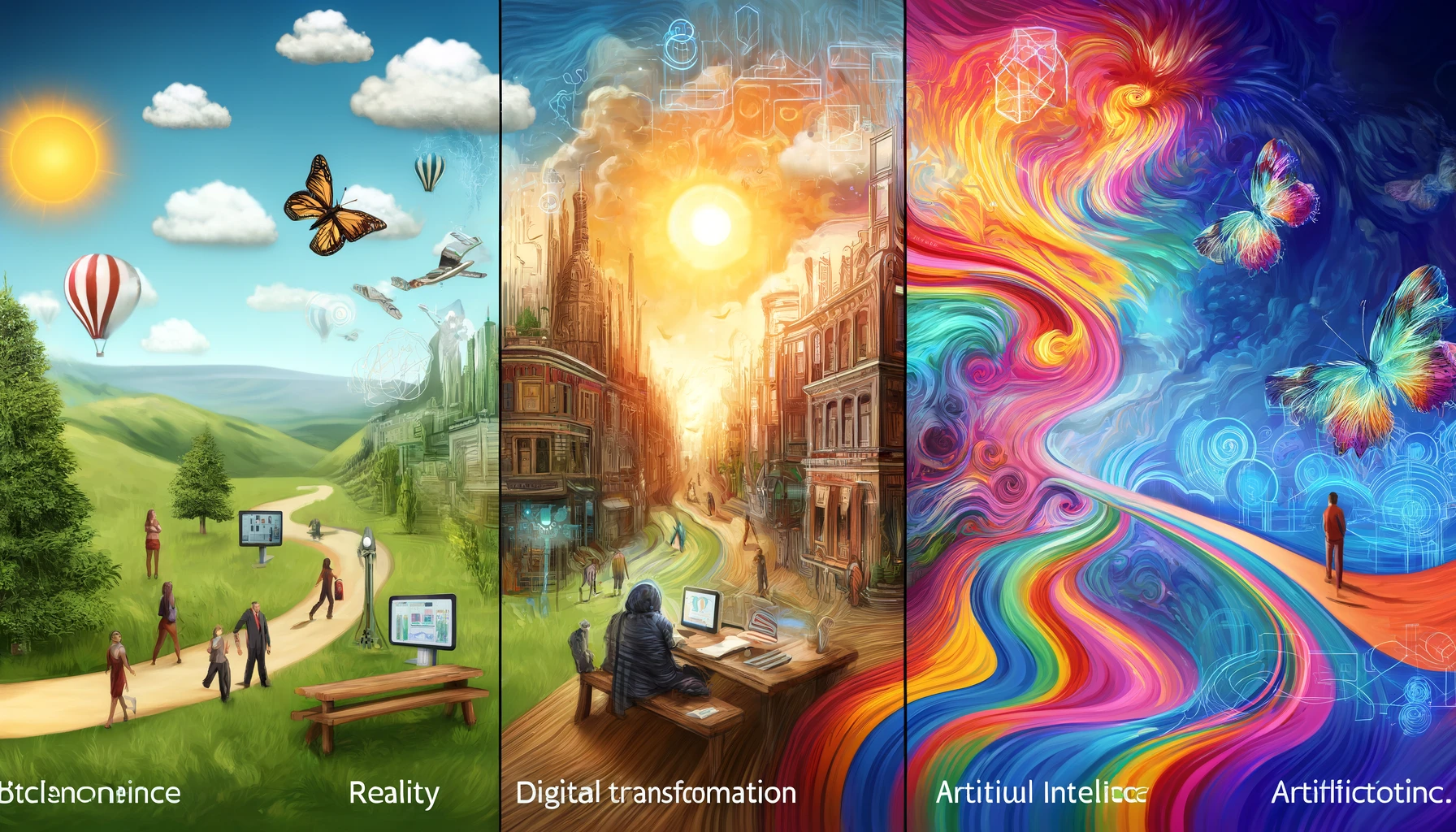
A very flowery and philosophical text about the three stages of “Reality, Digital Transformation, and Artificial Intelligence.” Created by ChatGPT based on a trained knowledge base of written and published thoughts of human intelligence on the internet. The composition of the sentences does not follow actual intellectual abilities but rather intelligent evaluations of defined text modules that are strung together in texts. The generated illustrations are inspired by examples from the great Vincent van Gogh and his expressive paintings with bold colors and brushstrokes.
What does AI say?
In our digital age, the fusion of reality, technology, and artificial intelligence is revolutionizing the way we create and perceive art. This fusion not only enhances our artistic capabilities but also redefines the boundaries of human creativity.
The starting point of this journey often lies in capturing everyday moments—those seemingly mundane instances that, upon closer inspection, reveal the profound beauty of our world. Whether it’s the hustle and bustle of an urban street, the serenity of a sunset by the sea, or the quiet elegance of traditional attire against a natural backdrop, these moments form the canvas of our daily lives.
Digital technology has long played a role in enhancing these moments. High-resolution photography and sophisticated editing tools allow us to capture and manipulate images with precision and creativity. Yet, the advent of artificial intelligence has taken this a step further, transforming these captured moments into entirely new forms of art.
Artificial intelligence, particularly through the use of advanced algorithms and machine learning, can reinterpret these images in ways that were previously unimaginable. By drawing inspiration from iconic art styles, such as the dynamic, swirling brushstrokes of Vincent van Gogh, AI can infuse ordinary scenes with a new level of vibrancy and emotional depth. The result is a reimagining of reality, where everyday moments are rendered with the expressive qualities of classic masterpieces.
This transformation process involves more than just adding aesthetic elements. AI enhances textures, enriches colors, and introduces a sense of movement and emotion that breathes new life into the original image. It is as if the AI is not merely editing a photograph but engaging in a dialogue with the essence of the scene, interpreting and amplifying its inherent beauty.
The implications of this technology extend far beyond the creation of visually stunning images. AI-generated art represents a new paradigm in which human creativity and machine intelligence collaborate seamlessly. This synergy allows for the exploration of new creative territories, pushing the boundaries of what is possible in art and design. It democratizes the art-making process, making it accessible to those who may not have traditional artistic skills but have a vision and a story to tell.
Moreover, the use of AI in art challenges our perceptions of authorship and creativity. It invites us to consider the role of the artist in the age of artificial intelligence. While the initial input and creative vision still originate from humans, the machine’s ability to reinterpret and transform this input introduces a new form of co-creation. This collaborative process opens up exciting possibilities for innovation and expression.
In the future, as AI technology continues to evolve, we can expect even more sophisticated and nuanced collaborations between humans and machines. Artists will have new tools at their disposal, enabling them to explore and experiment with their creative ideas in ways that were previously constrained by the limitations of traditional mediums.
The fusion of reality, digital technology, and artificial intelligence marks a significant evolution in the art world. It symbolizes a journey where everyday moments are elevated to extraordinary works of art, reflecting the limitless potential of human creativity augmented by AI. As we continue to embrace this new era, we are not only redefining what art can be but also expanding our understanding of creativity itself. This transformation promises to enrich our cultural landscape, inspiring us to see the world through a lens where imagination and technology converge to create something truly magical.