Education, Culture, and the Age of AI: Why Every Nation Must Forge Its Own Path
A recent LinkedIn post I engaged with raised a provocative question: “Does Africa still need to import so-called world-class education?” This sparked an exciting discussion and prompted me to delve deeper into the topic. My first thought, which I shared as feedback, was that no country should ever simply adopt a foreign education system wholesale. This is a conviction I hold not just for Africa, but for every nation in the world.

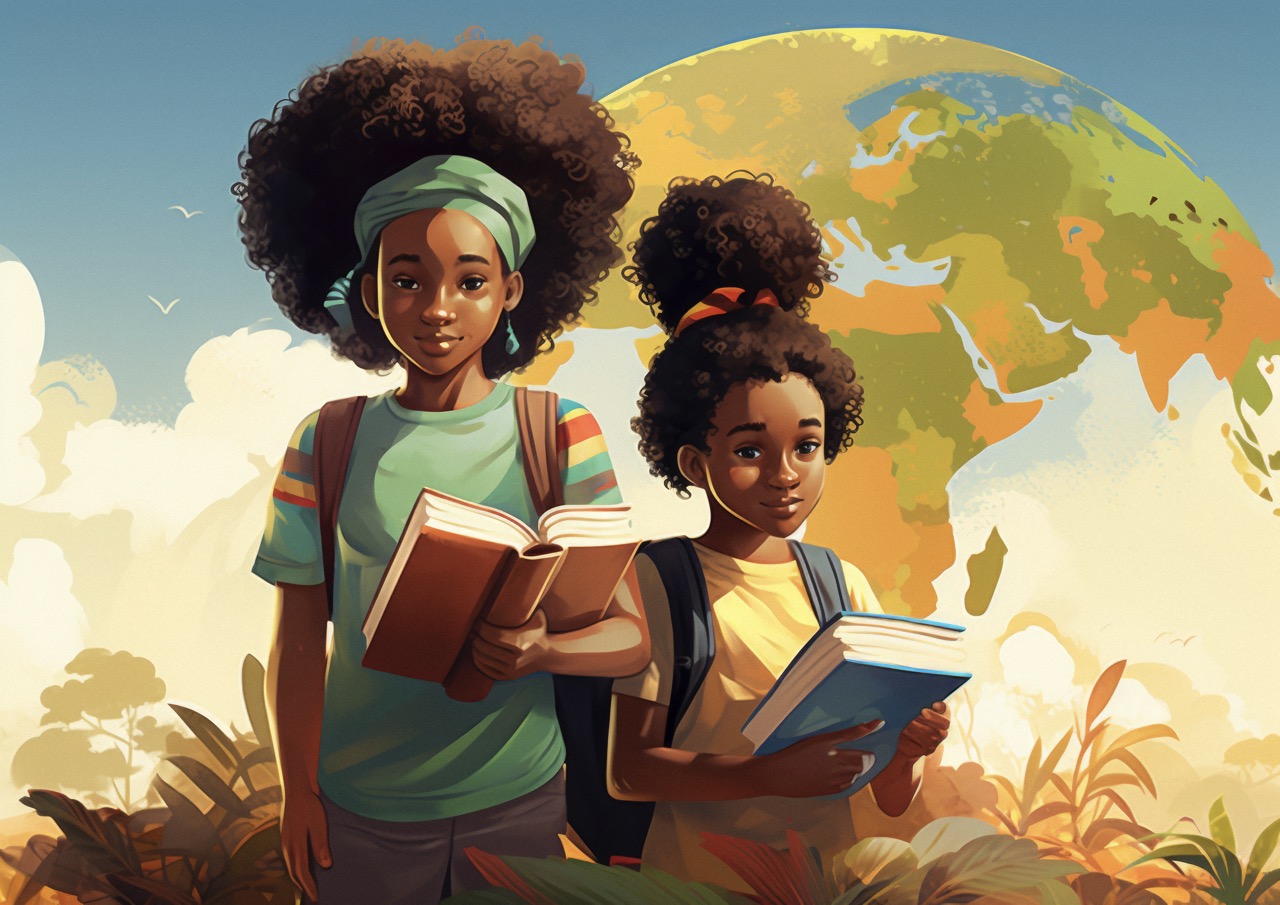
International Education and AI https://www.freepik.com
While we can and should draw inspiration from successful educational models elsewhere, the ultimate goal must always be to cultivate a system that is uniquely our own. Education is not a one-size-fits-all product. It must be woven from the threads of a region’s specific culture, values, and societal framework. An education system is the vessel that carries the core of a culture forward, and to outsource its development is to risk losing a fundamental part of one’s own identity.
The conversation becomes even more critical when we introduce new technologies like Artificial Intelligence into the equation. For some, AI might seem like a shortcut—a way to quickly implement a standardized, “advanced” educational model. I see it differently. I believe that AI, when used correctly, is the most powerful tool we have to decentralize and personalize education, moving us further away from monolithic, imported systems.
Instead of simply using AI to deliver a pre-packaged curriculum from another part of the world, one should imagine its potential to create a truly localized and responsive educational experience. AI can help us develop dynamic curricula that adapt to the specific needs of our students and the economic realities of our communities. It can create learning materials in local languages, focusing on our own unique characteristics and challenges. It can empower teachers, rather than replace them, by providing them with sophisticated tools to understand and respond to the individual learning journeys of their students.
The real challenge, and the greatest opportunity, lies in the process itself. The hard work of debating, designing, and building an education system—grappling with all the intricate problems and possibilities—is what ensures its ultimate success. It is through this active engagement that a system becomes truly embedded in the national consciousness and tailored to its aspirations.
In the digital age, the temptation to follow others is strong. But as the so-called “role models” in education struggle with their own uncertainties about the future, it becomes clearer than ever that there is no single path to follow. Now is the time for every nation to forge its own identity in education. By embracing technologies like AI not as a pre-made solution, but as a tool for creation, we can build an educational future that is not only globally competitive but also profoundly and authentically our own.