The Geometry of Contradiction: Why Fleeing to the Outside Does Not Replace the Path Within
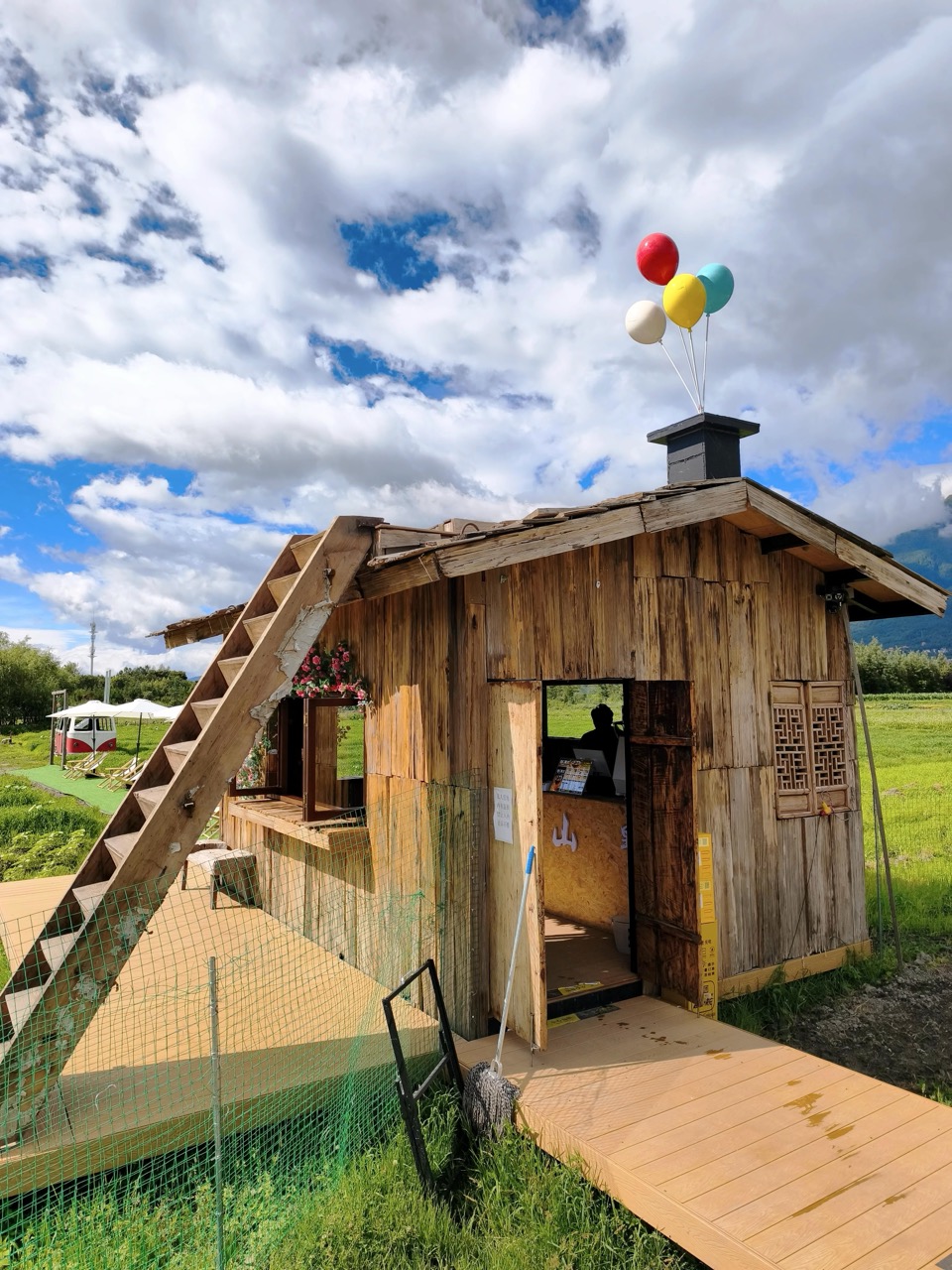
To understand the present, one must travel to its fracture points. One of these fractures lies in Dali, Yunnan. In June 2026, a visual paradox condenses there, symptomatic of an entire generation: a minimalist concrete café, an open MacBook on the table, and directly behind the glass pane, a view of centuries-old rice terraces and the towering, cloud-shrouded Cangshan Mountains.
At first glance, this scene reads like the perfect narrative of modern freedom. At second glance, it reveals a deep, existential rift. It is the geometry of an inner contradiction materializing in physical space.
The Phenomenology of Fractures
The simultaneity of the unequal in China’s urban and rural spaces generates friction surfaces that can be observed through distinct phenomena:
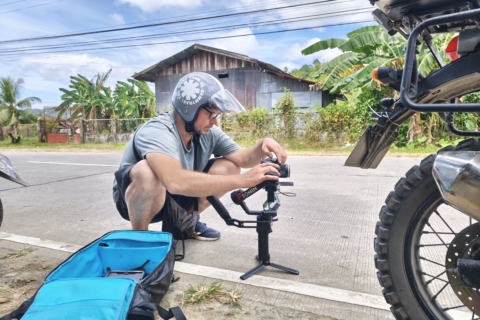
The Illusion of Deceleration (The E-Scooter Before Eternal Peaks): The impatient, technology-driven urge for mobility meets the absolute, timeless stasis of nature. The individual seeks the stillness of the mountain, yet fractures it at that very moment with the tools of their own restlessness.
The Inability to Connect (Headphones in the Loud Market): Amidst the unvarnished, analog life of a traditional market, the individual isolates themselves through digital barriers. A deep longing for connection with the primal exists, yet the unfiltered intensity of reality is perceived as overwhelming and is subsequently warded off.
These fractures are not logical errors in the framework of a journey. They are the system itself colliding at the boundary between origin and future.
The Detour via Space: Why We Work on the Outside
The question arises as to why movement in physical space—the flight from hyper-functional metropolises to the periphery—holds such magnetism, even when inner unrest and digital tools are carried along in fragments.
The answer lies in the structure of human cognition. The interior of a human being—their fears, exhaustion, and disorientation—is often inaccessible to direct, rational intervention. It is too diffuse and fleeting to be ordered within a vacuum. The individual therefore requires the outside as a projection screen.
Much like the classical spatial theory of Feng Shui, where the external environment is systematically arranged to exert an energetic influence on the interior, the modern wanderer utilizes geography. Because consciousness perceives the world primarily through the senses, the reorganization of the visible—choosing the place, positioning the gaze, consuming a decelerated backdrop—becomes a sensory attempt to make the chaos of one’s own existence tangible.
Working on the outside is thus neither mere self-deception nor purely aesthetic staging. It is the necessary, dialectical detour required to make the inside legible in the first place.
The Suffering of Rift as a Condition for Development
The fundamental error of modern escapist movements lies in the expectation of a final healing. A pain-free end state is suggested—a perfection of lifestyle in which the contradiction between modernity and tradition is dissolved. Yet this expectation springs from the very same optimizing, performance-driven mindset that one is trying to escape.
The palpable unease experienced in places like Dali is not a sign of failure. It is productive friction.
Development does not occur in a state of comfortable, contradiction-free complacency. It is the journey through doubt, the conscious suffering of one’s own internal rift, and the endurance of inner fractures that compel the individual toward reflection. The system forces the human being to function; it is the inner pain of missing something that forces them to think.
There is no geographical destination that permanently remedies the existential void of modernity. There is no sanatorium for the exhausted soul that serves as a final station. The rift on the outside merely mirrors the opportunity within. Insight does not mature upon arrival, but in the conscious walking of the path itself. The friction is not a defect—it is the transformation.